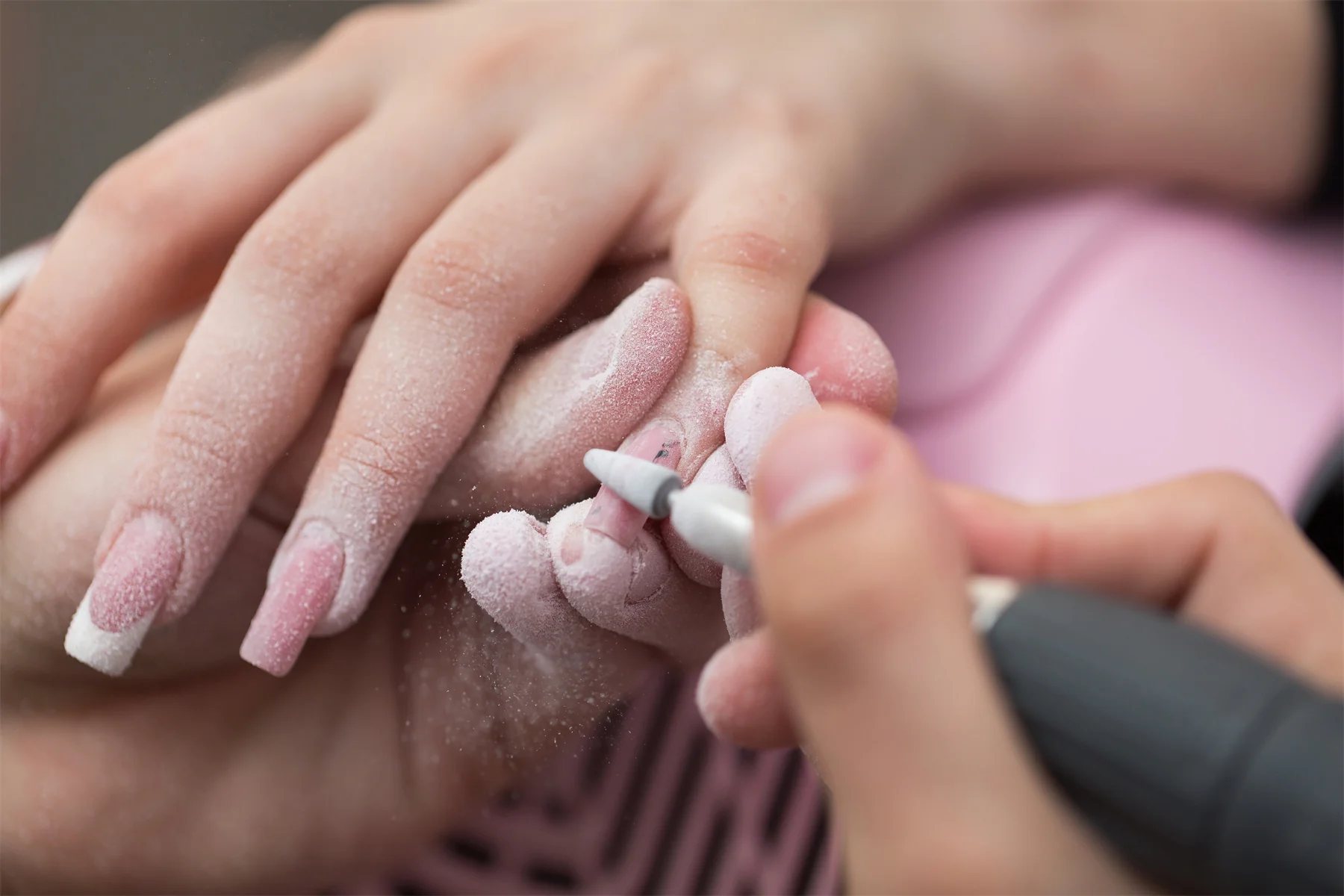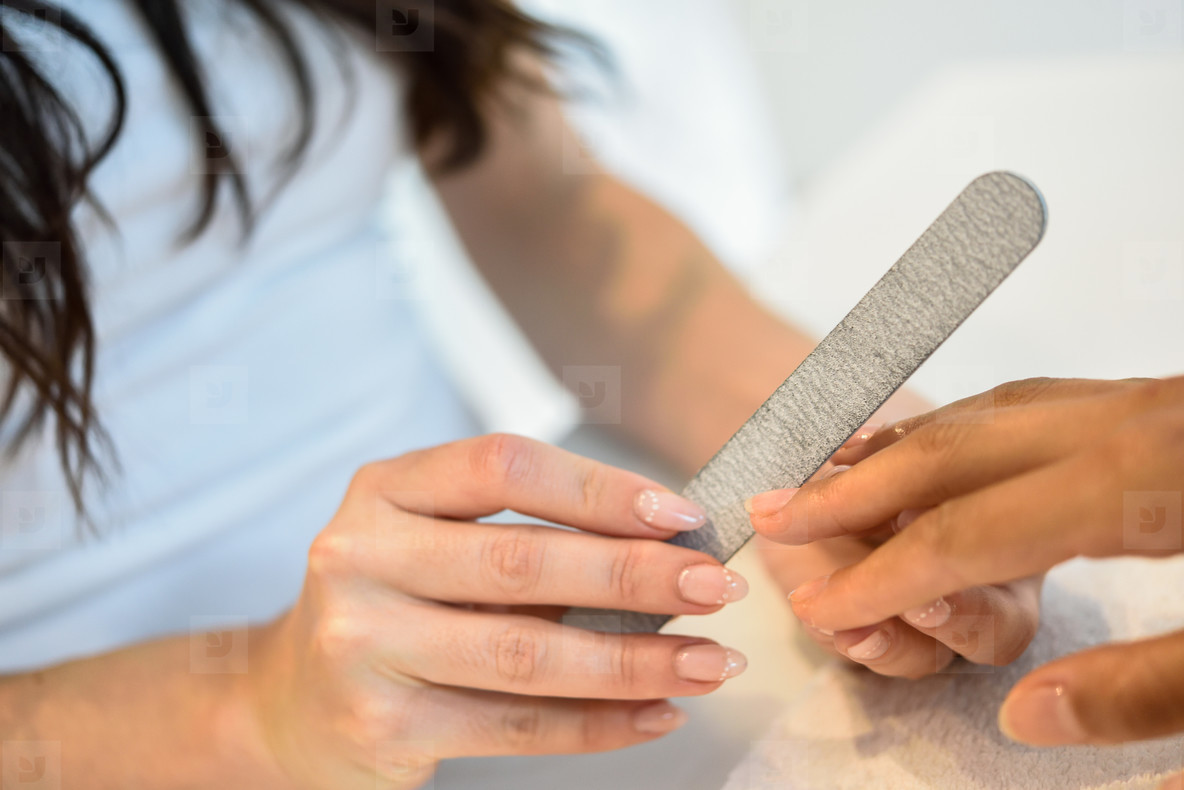
Filing your nails seems simple. But there’s a right way and a wrong way. Do it wrong, and you’ll end up with peeling, splitting, and weak nails that never seem to grow. Do it right, and your nails will stay strong, smooth, and beautiful. Here’s everything you need to know.
Choose the Right Nail File
Not all files are created equal. The material and grit (coarseness) matter.
- Glass/crystal files are the gold standard. They seal the nail edge as you file, reducing peeling. They last forever, are easy to clean, and are gentle on natural nails.
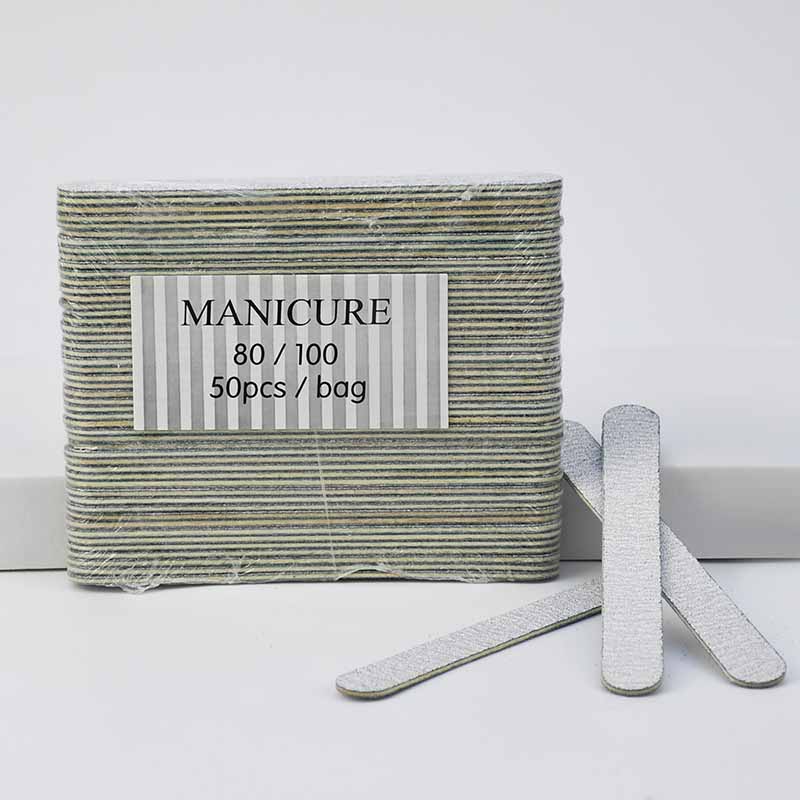
- Emery board files are cheap and disposable, but they wear out quickly and can be too harsh if the grit is coarse.
- Metal files are too aggressive for natural nails and should only be used on acrylics or gels.
- Grit matters: For natural nails, use a fine grit (240 or higher). Coarse grits (100-180) are for artificial nails or bulk removal.
The Golden Rule: File Dry, Never Wet
Wet nails are soft and flexible. Filing them while wet causes tears, fraying, and peeling. Always file your nails when they are completely dry. The best time is before a shower or hand washing, not after.
File in One Direction Only
The most common mistake is sawing back and forth. This creates microscopic fissures in the nail layers. Those fissures travel up the nail as it grows, causing splitting and peeling.
Always file in one direction. Start at the outer edge and move toward the center in long, smooth strokes. Lift the file off the nail after each stroke, then bring it back to the starting point. Never saw.
Shape According to Your Nail Type
Choose a shape that suits your nail bed and lifestyle.
- Round or oval: Best for short nails or wide nail beds. Very durable.
- Squoval (square with rounded corners): The most universally flattering and break‑resistant.
- Almond or oval: Elegant and lengthens fingers, but requires more length.
- Square: Modern and strong, but corners can catch on things.
To create a shape, first decide on the length. Then file the sides straight, the tip straight across, and soften the corners slightly for squoval. For oval, round the corners completely so the nail follows the curve of your fingertip.
Finish with a Fine Grit or Buffer
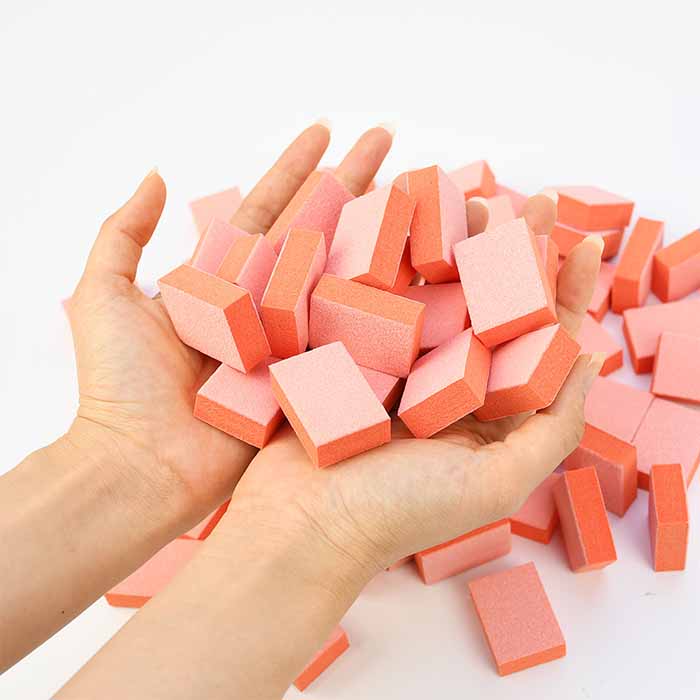
After shaping, switch to a fine‑grit file or a buffing block to smooth the edges. Run the file lightly along the edge to remove any roughness. Don’t over‑buff the surface – that thins the nail. One or two light passes are enough.
Common Filing Mistakes to Avoid
- Filing too short: Leave a tiny white rim (1-2 mm) to protect the nail bed.
- Filing into the corners: This weakens the sidewalls and can cause ingrown nails, especially on toes.
- Using a coarse file on natural nails: It tears the layers. Always use fine grit.
- Filing the surface: Unless you’re removing ridges, don’t file the top of your nail – it thins the plate.
- Sharing files: Fungi and bacteria can live on files. Use your own or disposable ones.
How Often Should You File?
File your nails once a week to maintain shape and prevent snags. If a nail chips or breaks, file it smooth immediately – waiting will only make the tear worse.
The Bottom Line
Proper filing is the foundation of strong, healthy nails. Choose a fine‑grit glass or emery board. Always file dry and in one direction. Match the shape to your nail type. Avoid sawing or over‑buffing. With these simple habits, you’ll say goodbye to peeling and splitting – and hello to beautiful, resilient nails.
Got a filing question or a tip of your own? Drop it in the comments – I’d love to hear from you!
Read also: The Unwanted Armor: Understanding and Dealing with Foot Corns