Our feet are incredible machines, bearing our weight and transporting us through life. But sometimes, this hard work leads to the development of a small, yet surprisingly painful, issue: the corn. More than just a rough patch of skin, a corn is your body’s well-intentioned, but misguided, attempt at protection.
What is a Foot Corn?
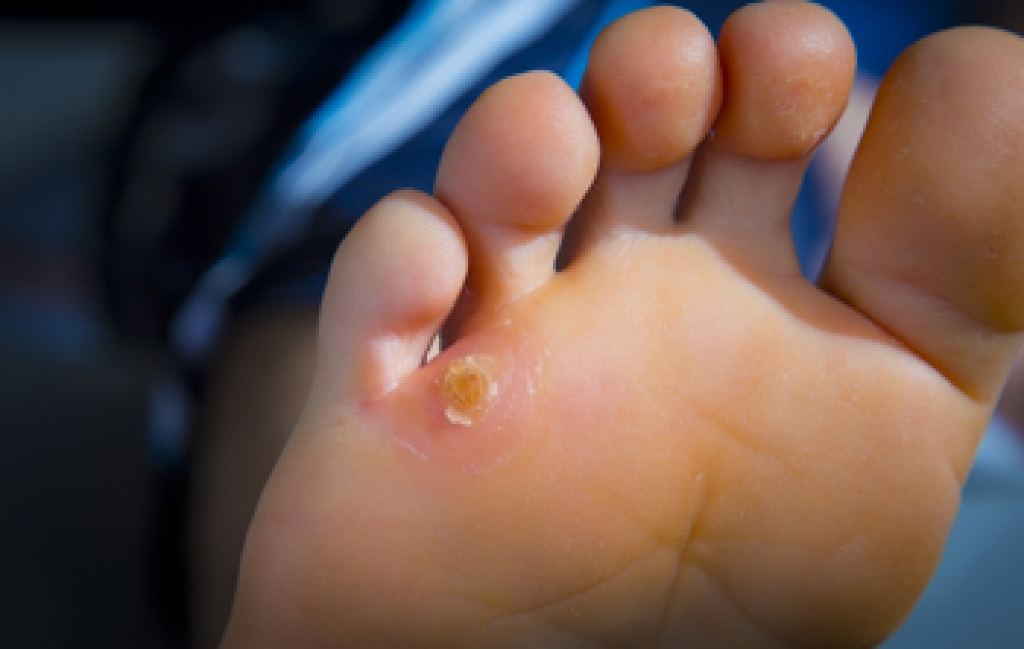
Imagine your skin as a defensive army. When an area of your foot suffers repeated friction or pressure, your body sends a signal: “Build a fortress here!” The result is a corn—a small, hardened, thickened patch of skin that forms to protect the sensitive tissues underneath. It’s essentially concentrated callus. The core of a corn, called the nucleus, is a dense plug of dead skin that can press inward, often causing sharp, pinpoint pain.
Symptoms and Causes: The Pressure Points
The primary symptom is a raised, hardened bump that may be tender or painful when pressed, especially in shoes. It might feel like you’re walking on a pebble.
The cause is almost always mechanical: friction and pressure. The main culprits are:
- Ill-fitting shoes: This is the #1 offender. Shoes that are too tight squeeze the toes. Shoes that are too loose allow the foot to slide and rub. High heels force excessive pressure onto the ball of the foot and toes.
- Foot deformities: Bunions, hammertoes, or other structural issues create abnormal bony prominences that grind against footwear.
- Not wearing socks: Socks provide a crucial friction barrier.
- Repetitive activities: Long periods of standing, walking, or running can contribute.
The Two Main Types
Corns generally fall into two categories:
1. Hard Corns (Heloma Durum): The most common type. They are small, dense, and have a dry, waxy, or translucent center. They typically appear on the tops or tips of toes, or on the soles where bones are prominent.
2. Soft Corns (Heloma Molle): These are whitish, rubbery, and often appear between the toes, where moisture from sweat keeps them soft. They are usually caused by the pressure of one toe bone against another, exacerbated by narrow shoes.
Treatment: Taming the Fortress
Never attempt to cut a corn yourself with sharp tools, as this can lead to serious infection.
1. First Line of Defense (Home Care):
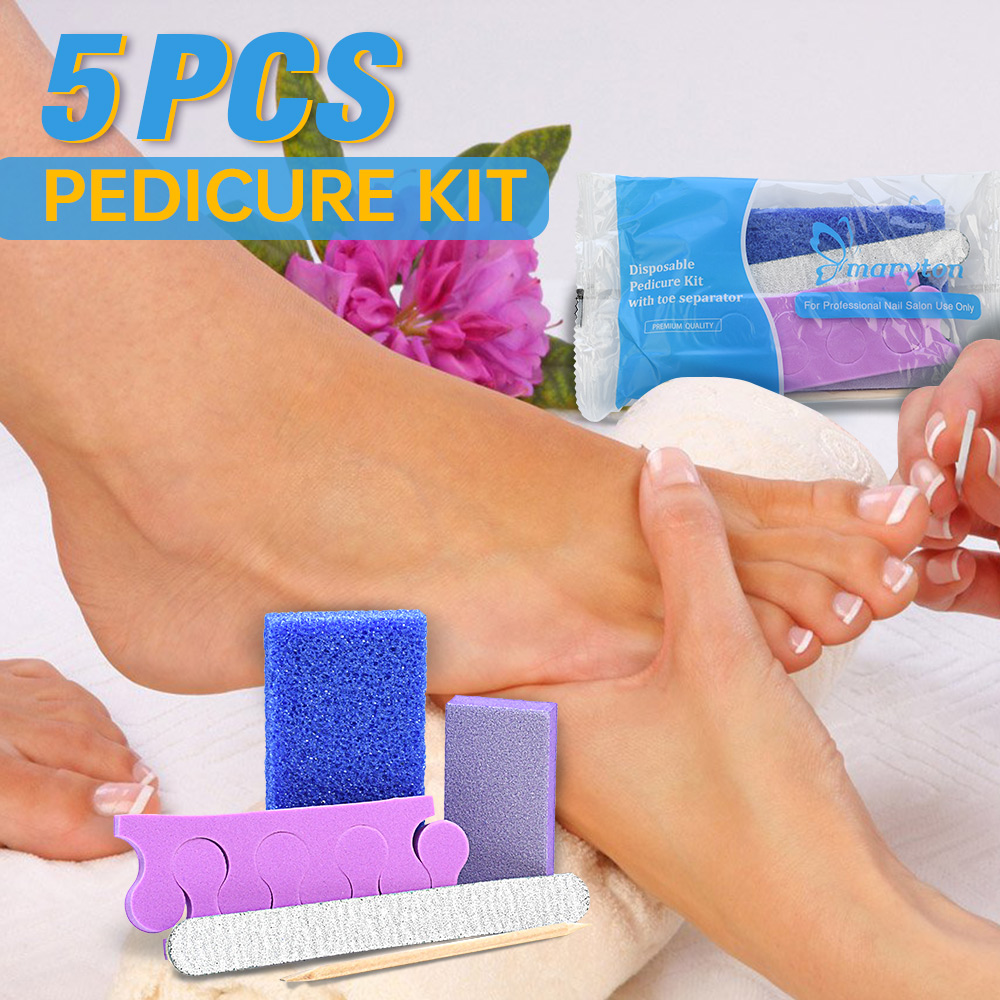
- Soak and File: Soak your foot in warm, soapy water to soften the corn. Then, gently file it with a pumice stone or emery board. Do this regularly, not aggressively.
- Non-Medicated Pads: Use doughnut-shaped pads to surround the corn, relieving pressure on the painful core.
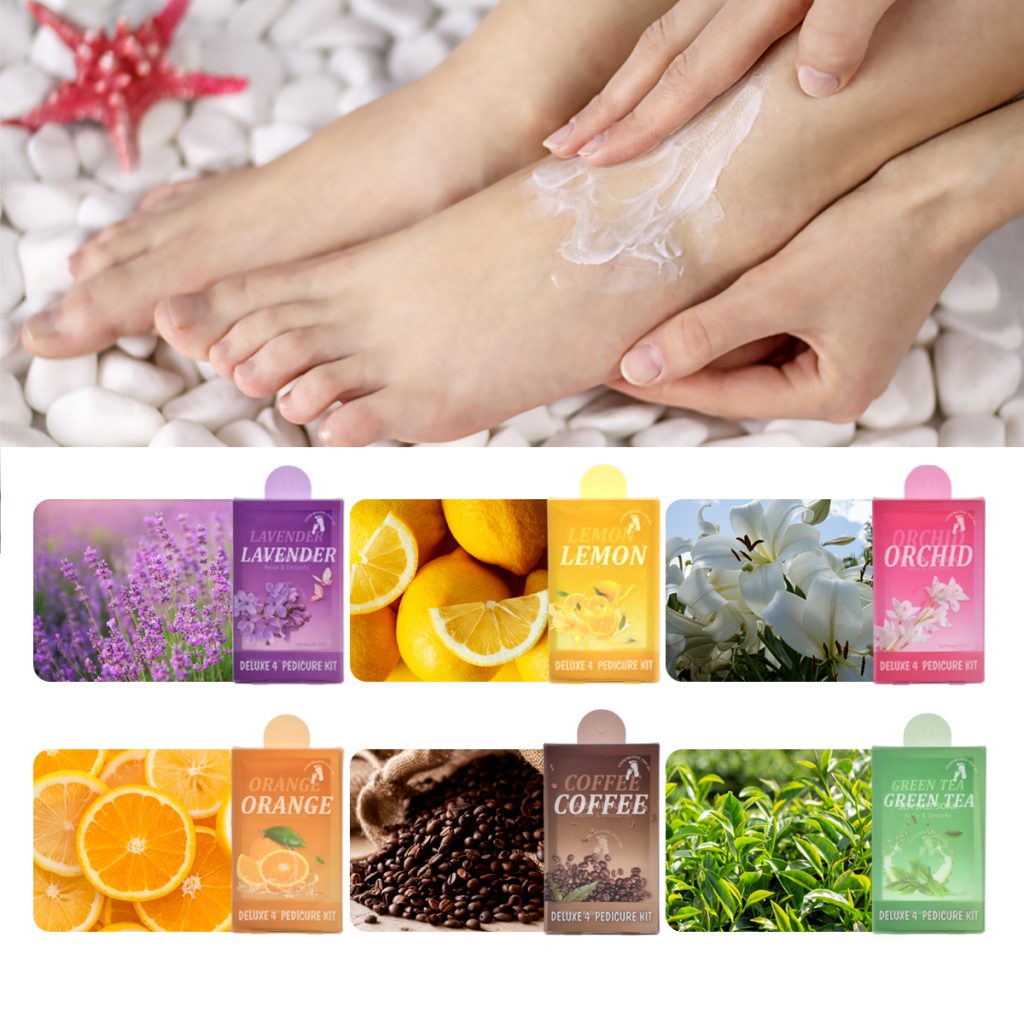
- Moisturize: Apply a urea-based or salicylic acid cream to help gradually dissolve the hard skin. Use these with caution if you have diabetes or poor circulation.
2. Professional Help: A podiatrist (foot doctor) is the best resource. They can safely pare down the corn with sterile instruments, provide custom-made pads or orthotics to redistribute pressure, and address any underlying foot deformity. In persistent cases, minor surgery to correct a bony prominence may be recommended.
Prevention is Better Than Cure
You can avoid this painful problem by being kind to your feet:
- Choose Shoes Wisely: Ensure there’s ample room in the toe box. Opt for low heels and supportive footwear for daily wear.
- Use Protective Padding: If you feel a “hot spot” developing, use moleskin or toe sleeves.
- Keep Feet Dry: Wear moisture-wicking socks and change them regularly to prevent soft corns.
- Inspect Your Feet: Make regular foot checks a habit.
Why You Shouldn’t Ignore a Corn
Ignoring a corn is more than just enduring discomfort. It can set off a dangerous chain reaction, especially for vulnerable individuals like diabetics or those with poor circulation. The constant pressure can break down the skin underneath the corn, creating an ulcer (an open sore). This ulcer can become infected, and in severe, neglected cases, lead to deep tissue infections or other serious complications. For everyone else, a painful corn alters your gait, leading to compensatory pain in your ankles, knees, hips, or back.
In conclusion, a foot corn is a clear signal from your body—a distress call about undue pressure. By listening to this signal, choosing kinder footwear, and seeking appropriate care, you can dismantle this unwanted “armor” and step forward in comfort. Your feet carry you through your life; they deserve the attention.
Read also: A Gentle Goodbye: Your Guide to Safely Removing Artificial Nails